Hygiene preparedness items

Hygiene Preparedness Items

Hygiene preparedness items

Hygiene Preparedness Items

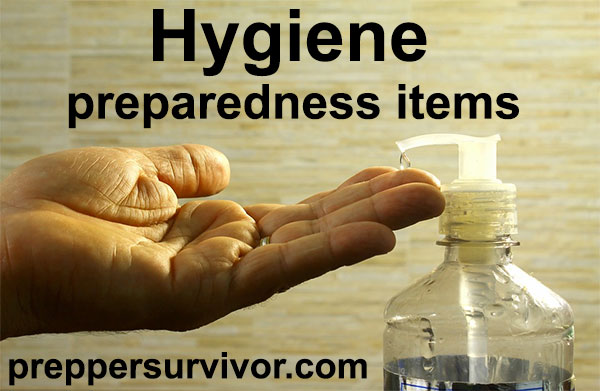
When disaster strikes you probably won’t be thinking about grabbing your hygiene products off the table or packing them away in a survival kit. All you’ll be thinking about is grabbing your medical kit and maybe some food supplies. But you need to consider your hygiene as well because you likely won’t have access to showers or clean water. All you will have available are the hygiene products that you have stored away in your survival kit.

The basic hygiene products you will need are an underarm deodorant stick, soap, water and a sponge. These products alone will allow you to wash yourself and stay clean during a dirty survival situation. Of course, it won’t be as comfortable to clean yourself with these items as it would be to take a normal shower but it is better than nothing. However, there are more advanced hygiene items that you can pack away that you probably never thought about or didn’t even know existed. For starters, there is something called “shower in a bag” which is a big pouch full of clean water that has a hose with a sprinkler on the end. The sprinkler will create the shower effect and allow you to shower yourself right from the pouch. Of course, you won’t be able to take long showers but you can easily wash yourself quickly if you have the right soap applied to your skin. Try packing either antibacterial soap or oatmeal soap because both of these will be great for your skin and will leave it clean and smooth.

Some other hygiene products you will want to look out for are wet naps, comb, razor, maxi pads, tissue pack, additional water pouches, toothbrush, shaving cream packets, toothpaste and mirror. If you are a man then obviously you will want to be able to shave with a razor and shaving cream. But no matter what gender you are, you’ll need to take care of your teeth with a toothbrush and toothpaste. The rest of the tools are grooming products to keep your hair neat, your hands clean and have the ability to look at yourself in the mirror from time to time. That way you will be able to judge the shape you are in simply by looking at your own face. Not that you’ll care too much about what you look like in a survival situation, but sometimes it can make you feel better when you take care of your looks and hygiene.

Best Flashlights for Prepper

Best Flashlights for Prepper

Best Flashlights for Prepper

Best Flashlights for Prepper

Lighting is an essential thing to have in a survival situation. Most dangerous situations involve darkness of some kind. It could be a power outage from storm or a car breakdown at night with no street lights around. Without some kind of light source to find your way through the dark, you will either have to stay where you are or take the chance of walking in the dark and likely walk into objects while you are doing it. But when you have a light source available you can navigate faster and easier throughout dark areas without any worries.

The most popular light source is from a flashlight. You can purchase a flashlight at almost any retail store that sells hardware or household goods. If you are purchasing a flashlight for survival then make sure you purchase a lot of extra batteries as well. Most handheld flashlights take CR123, AA, AAA or D batteries, so you will want to stock up on those. Now when you go to choose a flashlight, try to pick one that is energy efficient. There are now LED flashlights that don’t drain battery power as fast as the yellow bulb lights. Not only that, but the light shines brighter as well. This would be very resourceful to have in an emergency situation where your lighting supplies are limited. Now if you want a smaller flashlight then you can find them in all different sizes and store that away as well. However, it is good to have at least one big flashlight that emits enough lumens to see clearly in front of you. If you just have a pocket flashlight that emits a tiny amount of light then it won’t do you much good at nighttime when you need to navigate your way through unknown terrain.

Best Flashlights for Prepper

LED Lantern for your home or outdoor activities

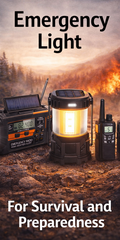
LED Lanterns are compact and you can have several of them in your emergency kit. They are great and don’t need much energy. You will need them in case of blackout or emergency situation.

They are also great for outdoor activities.

EDC Tactical Flashlight

Tactical flashlight is a must have for Evey Day Carry kit. You will need it when you least expect that. That is why you always need to have compact, reliable and powerful flashlight. They are available at different prices from many manufacturers.

Car Flashlight

You need to have at least one flashlight in your car. It will help you in emergency situation, when car breaks down and in many other situations.

Such flashlights usually have car charger (12V DC) included.

Use your mobile phone as flashlight

In addition to regular lighting, you should download a flashlight app onto your Smartphone and keep a solar powered charger around for the phone. That way if you are ever without normal access to electricity you can use the solar powered charger to recharge the battery of your Smartphone by exposing it to the rays of the sun. Then with the flashlight app installed on your phone, you can use that as a source of light because it will utilize the light source built into your phone’s camera by making it shine continuously. These lights usually have LED bulbs as well, so you will have energy efficiency and long lasting power. You might also want to have a few spare batteries stored away just in case one battery goes dead. You can never be too careful when preparing for a survival situation that involves your light source.

Low cost steps for preparedness

Canned food, preparedness

Low cost steps for preparedness

Canned food, preparedness

When it comes to preparedness for an emergency or bad situation then there are low cost steps that you can take in order to ensure your survival. Firstly, you will need to prepare by stocking up on food and water because you won’t be able to survive any situation without them. Some common low cost foods that you can store for a long time include ramen noodles, macaroni and cheese, canned chili, canned vegetables, and peanut butter. Pretty much anything canned will be cheap and easy to preserve for years. As for water, all you need to purchase are water purification tablets. You could purchase bottled water, but that would actually be a waste of money. Just take a bunch of empty bottles that you already have and fill them up with tap water. Store the water along with your canned foods and water purification tablets. When disaster strikes then put the tablets in the water to clean out the germs and bacteria that may be in there.

Next you should go to your local thrift store, like Goodwill, and stock up on cheap clothes. Since you won’t have a vast supply of water, then you won’t be able to wash your dirty clothes. So you need extra clothes to change into in an emergency situation. You should also look for medical kits, duct tape, hand tools or any other necessities as well. If you can’t find any at the thrift store then try shopping on eBay for some of these necessities. After that, you’ll need to focus on how you’ll generate a source of heat. The easiest way to do this is by purchasing an assortment of lighters at your local dollar store. You can usually purchase eight disposable lighters for just a buck or two. Either that, or purchase a box of matches because they are also cheap and will last you a long time. These lighters could help you start fires to keep warm or even cook food in a survival situation.

Finally, you’ll want to invest in a low cost tent. If your situation puts you outside in the wilderness then a tent will help you sleep better at night. It will keep out the bugs and it will also reduce the impact of wind or rain hitting you while you are trying to sleep. You can find cheap $20 tents on Amazon.com or go to a local garage sale because you are bound to find one there.

Containers for preparedness

Containers for preparedness

When you are preparing for disaster it is important that you have durable containers that can safely store away food and other items. Now this does not mean go out and buy rubber Tupperware or Rubbermaid containers. These are better if you are bringing food to work with you for the day, but they aren’t really sufficient enough to store items for long periods of time. You could store inedible items, like your tools or other products you’ll need for survival, but you don’t want to risk damaging the containers in a dangerous situation. For example, if you have to haul around containers full of survival items then you want to make sure those items are packed away securely with a cover that won’t fall out. You’ll also want to make sure the shell of the container cannot get damaged too easily from being thrown around or dropped on the ground, which are likely things that might happen when you are in a hurry. With rubber containers, they could easily get damaged or spill out its contents onto the ground.

What you need are containers made out of metal, particularly tin. This type of metal is lightweight and can easily be sealed so that air doesn’t get into the container. You will often find medical kits and other prepaid survival kits with tin containers. But for those of you who want to develop your own survival kit then start with a tin container. You can purchase them online or in most hardware stores. They come in all shapes and sizes as well. It may be better to purchase multiple tin boxes instead of one big large container because the tools and items in your kit may get mixed around in a big box. It is better to have smaller boxes that are each labeled for a particular type of item. That way you will know where to look when you want a specific item.

As for storing water or other liquids, you obviously won’t want to use tin boxes. You will want to use barrels, large cans, jugs or any other type of cylindrical shaped container. The type of material of the container could be anything durable, such as polyethylene or high grade plastic. These are the best containers for keeping out contaminants or other germs from getting into the liquid. But just in case, have a purifier ready to use on the water if it has been stored for a long time.

Headlamps for survival and preparedness – Petzl Tikka XP Review

Headlamps for survival and preparedness

Headlamps for survival and preparedness

Headlamps for survival and preparedness

Nighttime can be pretty scary when you are lost outside or searching for someone in the dark. The traditional method of finding your way around would be to use a flashlight, but this requires you to use one of your hands to hold it. Since you cannot see 100% clearly with a flashlight, you will need to use your hands to feel around so that you know where you are going. This is similar to how a blind person finds their way around because they cannot see anything and must use their sense of touch to know where they are. However, it doesn’t have to be this complicated for you. There is a simple tool that seeing people can use which will allow them to find their way around in the dark more clearly while keeping their hands free in the process. This tool is called a headlamp. It is basically a head strap with a light attached to the outside of it. The way it works is you put the strap around your head and the light shines outward right in front of you. This means whichever direction you are facing, the light will shine in that direction and you will get to see what is in front of you with the convenience of not having to hold anything in your hands.

Petzl Headlamps

Petzl is one of the well known manufacturers of headlamps. Petzl headlamps are priced little higher than regular headlamps but you get what you pay for.

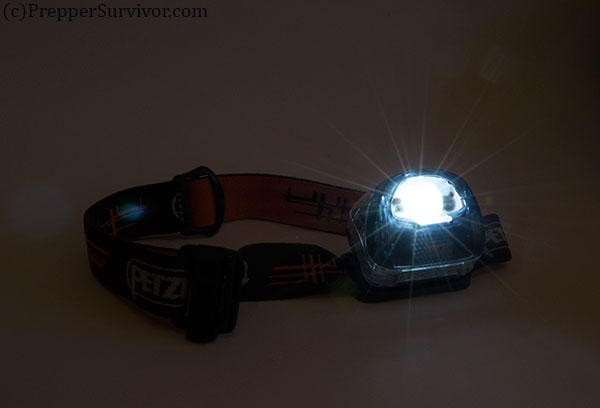
Besides being a hands free device, there are other advantages to having a headlamp in a survival situation. For one thing, Petzl Tikka XP 2 headlamp is lightweight and can easily fit into any emergency supply kit. Plus this new model has LED lighting, which is brighter and shine at a much wider radius than flashlights. They also use less battery power and are even rechargeable with their lithium battery (Petzl Accu Core).

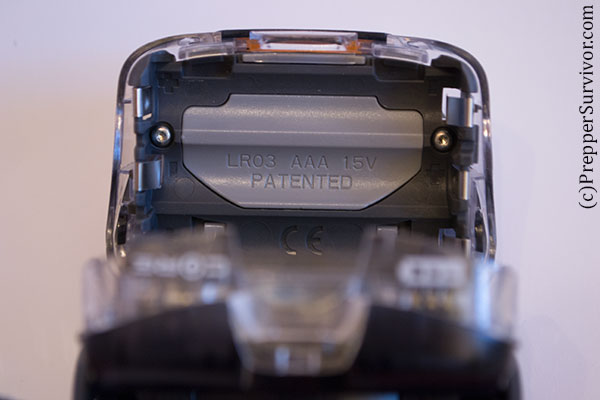
Petzl Tikka XP 2 can be used with regular AAA batteries:

Petzl Tikka XP 2 Core, Compatible with AAA Batteries

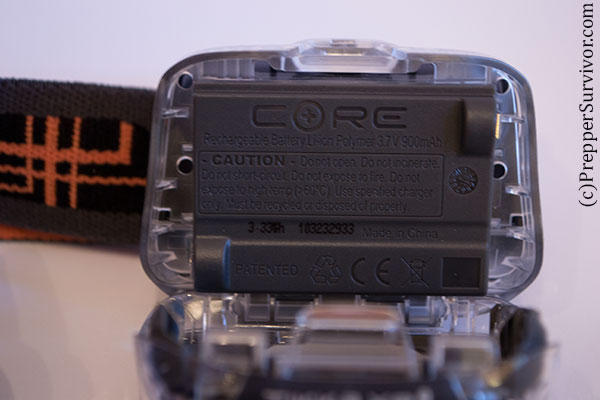
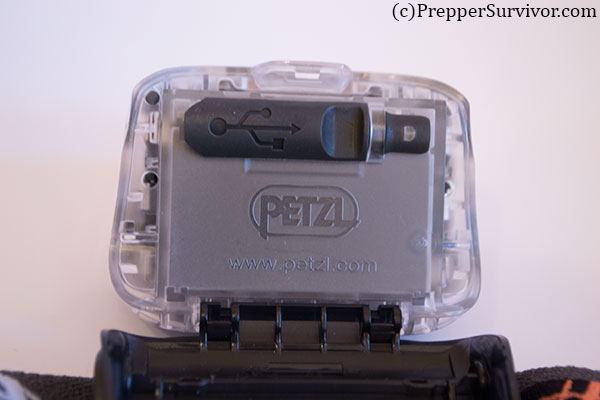
Petzl Accu CORE Rechargeable Lithium Battery can be purchased together with headlamp or separately:

Petzl Accu CORE Rechargeable Lithium Battery

It can be charged 300 times using included charger, after this it will still work but the battery’s capacity is about 30% lower than initially.

Petzl Accu CORE Chargeable Battery

This means you don’t have to keep running out to the store and buy new AAA batteries like with the older models. But since this headlamp is generally used for survival purposes only, chances are you won’t be using the battery power often unless you are in an emergency situation. The most common emergency situation for requiring a headlamp would be when your car breaks down in a secluded area, like in the woods or the desert. Instead of just waiting around your car hoping someone will pass by, you can walk to the nearest town and get help. The headlamp will be the perfect tool in this situation because it will help you find your way in the dark and signal to anyone nearby that you are there. If your headlamp is fully charged, then you will have over 4 hours of battery life in Maximum mode and 35 hours in Economic mode before needing to recharge again. This gives you plenty of time to find help before it is too late. You can also connect Petzl Tikka XP 2 headlamp to your PC and personalize your lighting using OS by Petzl.

Petzl Tikka XP 2 has five lighting modes (three continuous and two blinking) and Wide Angle lens with open-close feature, allowing you to choose between a long distance focalized beam and flood beam proximity lighting.

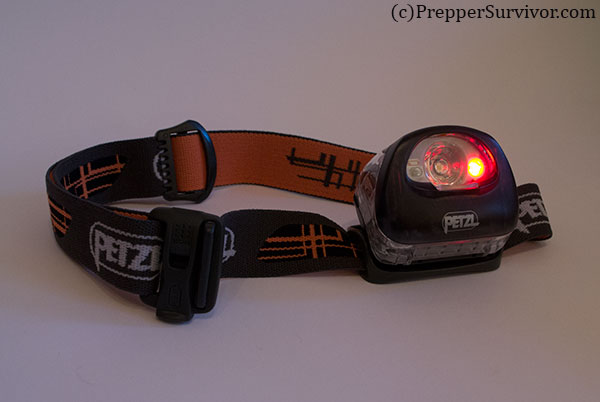
Red light will preserve your night vision or to become a blinking light for safety purposes:

Petzl Tikka XP 2 has Red Light Mode to Preserve Night Vision

Just remember when you go shopping for a headlamp, make sure you buy one that is durable and water resistant. If you are outside in an emergency situation then chances are it will be raining, which only makes finding your way in the dark much more difficult. Don’t worry though because headlamps are very inexpensive. One of the most expensive models is $60, which is an affordable investment for a tool that could be the means of your survival. Therefore, it is definitely worth the money.

3 Best Bug Out Bags (Updated 2026)

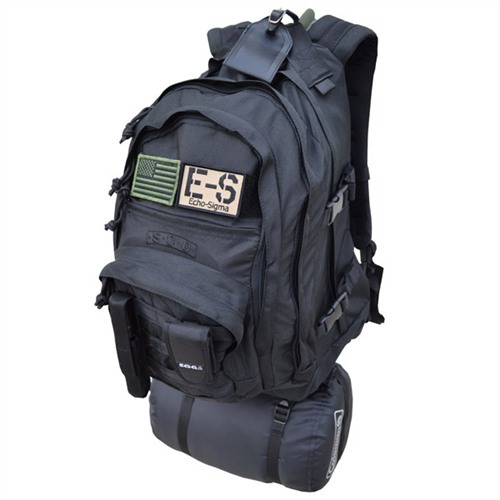
Echo-Sigma Emergency Bug Out Bag

3 Best Bug Out Bags

If you want a Bug Out Bag that actually helps you in a real “grab-and-go” moment, you need more than cool-looking gear and a tactical vibe. You need a bag that fits your body, matches your local climate, and carries the essentials without turning you into a slow, sweaty pack mule after 20 minutes.

In this post, I’ll show you the 7 best bug out bags worth considering right now, with clear reasons for each pick. Some are perfect for ultralight mobility, others shine for family-ready capacity, and a couple are built for hard use and bad weather. I’ll also point out what most beginners get wrong, so you don’t waste money on the wrong size, the wrong features, or a bag that falls apart when you need it most.

Quick note: the “best” bag depends on your plan. Are you leaving on foot or by car? Urban or rural? One day or three? I’ll keep the picks practical and explain who each bag is best for—so you can choose fast and feel confident.

TacPreps 72-Hour Survival Kit
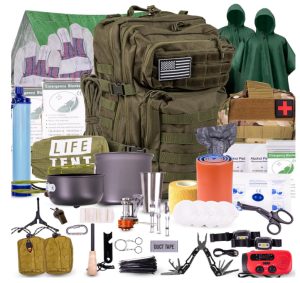

TacPreps 72-Hour Survival Kit | Emergency Bug Out Bag with First Aid, Water Filter, Food, Tools | 45L Tactical Backpack for Camping, Hiking, Outdoor

Here’s my take on the TacPreps 72-Hour Survival Kit / Emergency Bug Out Bag (45L), “2 Persons, Deluxe without Food” based on the listing specs and the included item breakdown. I have not field-tested this exact kit, so I’m reviewing it like a gear-check audit: what’s smart, what’s missing, and what I’d upgrade before trusting it.

The good (what they did right)

The “big rocks” are covered.
A beginner kit should handle the basics first: water, shelter, heat, light, and first aid. This one clearly aims at that. The listing highlights a water filter, an IFAK-style first aid kit, and a 45L pack with compartments.

Shelter package looks more complete than most pre-packed kits.
The comparison table shows an emergency tent, bivvy bags, paracord, emergency blankets, and ponchos included for the 2-person kits, which is a solid baseline for short-term exposure risk.

First aid is not just band-aids.
The IFAK list includes alcohol pads, sterile pads, a trauma bandage, elastic bandage, a splint, scissors, an emergency blanket, and a CPR barrier device. That’s more thoughtful than many “survival kit” bundles that inflate piece count with junk.

The tool selection focuses on utility, not gimmicks.
The listing calls out practical stuff like a headlamp, saw, compass with whistle, multitool, duct tape, gloves, and zip ties, plus a solar radio/light combo. Those are realistic problem-solvers for outages and messy evacuations.

The bad (what would make me hesitate)

Weight and bulk can kill the whole idea of a bug-out bag.
The package weight is listed as 18 pounds. That’s before you add your personal items (water containers, extra layers, meds, documents, etc.). For many beginners, heavy bags end up living in a closet instead of being truly grab-and-go.

“171 pieces” is not the same as capability.
Piece counts often pad value perception. What matters is: do you have enough calories, enough water capacity, and enough insulation for your climate. This version is “without food,” so you’re not buying the most important part of “72-hour” for two people.

Performance claims deserve real-world verification.
The listing claims the water filter can process up to 1,300 gallons, and it also mentions emergency water pouches with a 5-year shelf life in some variants. Claims like this can be true under ideal conditions, but you should still test the filter, practice setup, and validate what you can actually carry and use.

Return policy risk.
The page shows the item as non-returnable (with exceptions for damage/defect). That raises the stakes. With pre-packed kits, you really want the option to return if the bag stitching, zippers, or included components are not what you expected.

Who this kit is for

Best fit: someone starting from zero who wants a foundation kit to build on, especially if you’re preparing for power outages, short evacuations, or vehicle-based bug-out.
Not ideal: people who plan to move on foot for long distances, or anyone who needs a lightweight setup.

What I would add or swap (small changes, big payoff)

Water carrying, not just filtering. Add at least one durable bottle or bladder per person. Filters are useless if you cannot carry clean water.

Real warmth. Add insulating layers, hat, gloves, and socks appropriate to your region. Emergency blankets help, but clothing wins.

Personal meds and documents. Meds, copies of IDs, emergency contacts, some cash.

A simple checklist and a practice run. Pack it, carry it for 30 minutes, and adjust. Most bug out failures are comfort and fit issues, not missing gadgets.

Bottom line

This kit looks like a good starter framework with decent coverage of shelter and first aid, and it includes several practical tools.
But the weight, the “without food” limitation for a “72-hour” label, and the non-returnable status are real drawbacks.

This kit on Amazon: https://amzn.to/4k4kp4O

Stealth Angel Survival – 72 Hour Family Emergency Kit – 1-5 Person Survival Bag for Earthquakes, Hurricanes, and Other Natural Disasters
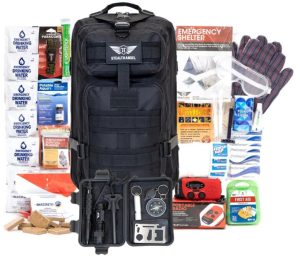
Stealth Angel Survival - 72 Hour Family Emergency Kit

The good (what they did right)

It’s genuinely “72-hour complete” for the basics
This kit isn’t just tools. It explicitly includes 72 hours of food and water, plus water purification tablets, which is a big deal for beginners who often forget calories and hydration until it’s too late.

Clear focus on shelter and warmth
The kit calls out emergency blankets, body warmers, ponchos, and a tube tent. That’s the right direction because in a lot of real emergencies, exposure (cold/wet/wind) ruins people faster than lack of gadgets.

Light and comms are built in
A hand-crank radio, flashlights, and an emergency whistle are the kind of items that matter during outages and storms when your phone is dead or networks are overloaded.

Hygiene is included (morale matters)
Most kits ignore this, but the listing includes a hygiene kit with things like toothpaste and face masks. Staying reasonably clean helps prevent small problems (skin issues, infections) from turning into bigger ones, and it helps you keep your head straight.

Weight looks manageable for a pre-packed kit
The listing shows a package weight of 8 lb. For a pre-built “all-in-one” setup, that’s on the more carryable end compared to many bulky bundles.

The bad (what would make me hesitate)

The packed size suggests tight limits
The listed dimensions are 16 x 10 x 10 inches. That’s compact, which is nice for storage, but it also hints that everything inside is likely small/light-duty and there may not be much room for personal essentials after you add your real-world items.

Water treatment is tablets, not a true filtration solution
Tablets help, but they’re not the same as a filter in terms of taste, speed, and practicality with questionable sources. If you expect silty or nasty water, tablets alone can be an awkward solution.

First aid may be “basic-first-aid” level
The listing calls it a first aid kit, but it doesn’t clearly signal robust trauma coverage. Many pre-packed kits handle scrapes well and struggle with anything more serious.

The “multi-tool kit” can be hit-or-miss
It includes a “multifunctional 8-in-1 kit,” which can be handy, but in pre-packed bundles those components sometimes feel like “good enough once,” not “trust it repeatedly.” Without specifics, durability is an unknown.

Bottom line

This is a solid, beginner-friendly 72-hour kit that covers the important categories: food and water, shelter and warmth, light and communication, first aid, and hygiene. It’s also relatively compact and lighter than many pre-packed “everything kits.” The main tradeoffs are the typical ones for bundles: compact components, tablet-based water purification instead of filtration, and a first-aid setup that may be more basic than people assume.

This kit on Amazon: https://amzn.to/3ZBWZKl

Premium 72 Hour Survival Backpack with Supplies
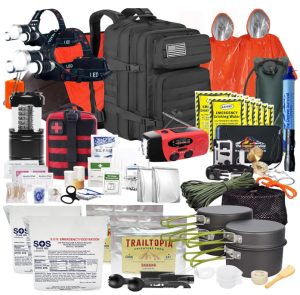
Premium 72 Hour Survival Backpack with Supplies

The good (what they did right)

It includes real calories and real water (not just “survival gear”).
The listing specifies two 3,600-calorie food bars, twelve packets of sealed water, plus two freeze-dried oatmeal breakfasts. That’s a meaningful step up from kits that are basically tools and optimism.

Cooking capability is built in.
A 10-piece stainless steel camp cook set, a folding stove, and a TPU water bladder are called out. That’s practical for extended outages or sheltering somewhere that isn’t home.

Comms and situational awareness get real attention.
The kit highlights upgraded 5-watt 2-way radios, a 2000 mAh emergency NOAA radio, and an upgraded LED COB solar lantern. In storms and blackouts, being able to communicate and get alerts matters.

The pack itself sounds durable (on paper).
They describe a 45-liter 900D tactical backpack, which is the right size category for a 2-person, 72-hour bundle—assuming the stitching and zippers match the spec.

First aid is positioned as comprehensive.
The listing emphasizes a 184-piece first aid kit (and elsewhere references a ~180-piece kit in the page content). Either way, it’s clearly meant to be more than a tiny boo-boo pouch.

The bad (what would make me hesitate)

Weight: this is a heavy “bug out” solution.
The technical details list item weight 20 lb (package weight 21 lb). That’s before adding your personal essentials. For many people, 20 lb turns into “car kit” more than “move fast on foot” kit.

A 72-hour kit for two people is always tight on water in real life.
Even with 12 sealed water packets and a bladder, two people burn through water quickly—especially in heat, stress, or if you’re walking. The kit covers “some water,” but “enough water” is a different standard.

Marketing claims are still marketing claims.
“5x more powerful” for the radios and “twice as bright” for the lantern are stated as upgrades, but those are vendor comparisons, not standardized test results in the listing.

Short warranty window.
The technical details list a 30-day warranty. That’s not automatically bad, but it’s worth noticing for gear you may store for a long time and only discover problems when you finally open and test it.

Who this kit is for

Best fit: a home-and-vehicle preparedness kit for two people (storms, outages, evacuation by car), where weight is less critical than having “a lot of categories covered.”
Not ideal: anyone planning a long on-foot evacuation, because 20 lb is a serious baseline load before personal gear.

Bottom line

This Denver kit looks like a well-rounded, feature-heavy 2-person bundle with food, water, cooking, comms, and a big first-aid component, built around a 45L backpack.
The main drawback is simple: it’s heavy, and at 20 lb it’s closer to a robust emergency “go bag” for vehicle use than a lightweight, foot-mobile bug-out setup.

This kit on Amazon: https://amzn.to/4q2dQky

Emergency Wintertime Essentials for You Vehicle

Snowscape

Emergency Wintertime Essentials for You Vehicle

Snowscape

The safest place if you are caught in a snowstorm while driving is in your vehicle. Sudden blizzards accompanied by high winds can cause whiteout conditions, and you can become disorientated and lost just feet from your vehicle. Stay inside and when you have to go out to make sure the tail pipe is not clogged with snow. Keep one hand on the vehicle or tie a rope to you and the car’s door handle. You cannot run your engine if the exhaust pipe is obstructed with snow or vegetation. Make sure to have a window down a few inches when running the engine. Once you become stranded run the car’s engine for ten minutes every 45 minutes to an hour.

Preparing Your Vehicle

Always keep the vehicles’ gas tank topped off, this ensures you have fuel if you become stranded and it also prevents moisture build up in the lines that can freeze and prevent you from starting the engine. The following is a list of essentials you should always have in your car when traveling in the wintertime.
• Three days of high protein foods that can be eaten as is, such as Meals Ready to Eat (MRE’s), protein bars, hard chocolate and trail mix
• 72-hour supply of water protected from freezing, place in Styrofoam coolers with newspaper or clothing for insulation
• Tire chains and traction pads, sand or cat litter for traction
• Small shovel
• Glow Lights the kind that you snap and shake
• Cell phone and charger/extra battery even if the phone does not have a carrier if charged the phone can dial 911
• Two thermal or wool blankets and/or sleeping bag
• Snow boots, heavy coat, gloves and hat
• Signal material such as brightly colored cloth or signal flags that can be held in place by closing a rear window on the material, used to signal rescue personnel
• Jumper/battery cables and/or a battery box with power converter and jump start cables attached
• Tools for minor car repair, duct tape, gallon of anti-freeze and extra motor oil
• Knife and multi-tool
• Matches, lighter and alternative fire starting materials such as a magnesium stick
• First aid supplies
• Snow brush and ice scraper
• Maps of the area along with a compass
• Flashlight and avoid lights that use the vehicles’ battery
• Nylon tow rope and avoid chains or steel cables for towing, they can snap and whip around causing serious injury if used to pull a vehicle

If possible, get signal fires going near the vehicle. Smoke can be seen for miles during the day and the flames can be seen at night. Keep wrapped in blankets to prevent body heat from conducting away from your body. Hypothermia is dangerous and can be a fatal condition if you

Preparedness Food Storage List

canned_Food

Preparedness Food Storage List

canned_Food

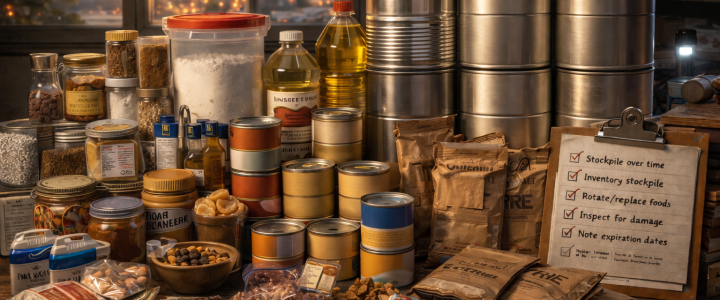
Food is a priority during a crisis even through the average person can survive up to three weeks without food. Food is comfort and can immediately bolster morale and make the crisis easier to handle. Even the process of making a meal can return some normalcy to an otherwise chaotic situation. Nutrition is a priority, and to ensure you do not lose your food supply to spoilage, rodents and insects it must be processed and stored properly.

Basic Essentials

• Salt/Pepper
• Various Dry Spices: Store To Protect From Moisture Rodents And Insects
• Cooking Oil
• Vinegar: Cider And White
• Flour Stored In Moisture/Rodent And Insect Proof Containers
• Powdered Milk Properly Stored: Used For Nutrition/Making Sauces And Gravies

Food Storage

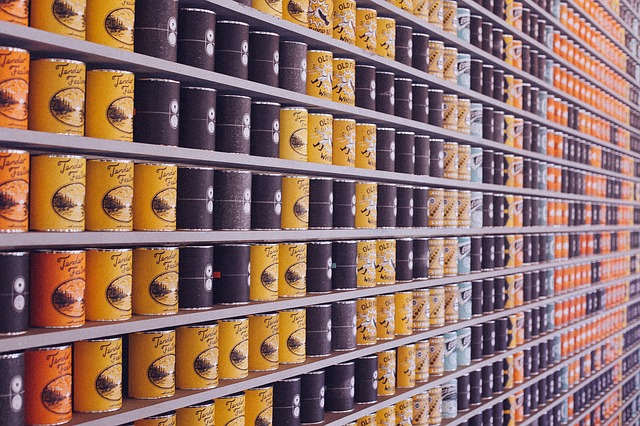
Canned foods are popular for emergencies and relatively inexpensive and can be purchased virtually anywhere. However, the typical shelf life is one year from date of purchase and the variety can be limited, so persons with specific dietary concerns would have to shop carefully. Because of the limited variety, you will have to stockpile multiples of cans. When calculating amounts the average person will need one can of protein, one can of vegetables and one of fruit daily. Store where there is no chance of freezing and store in a dry area. Canned foods are already processed to prevent spoilage and the freezing and thawing of the contents can ruin the food and cause the can to rupture. Excessive moisture will cause the can to rust prematurely causing holes in the can.

Protein is important during a survival situation to maintain energy levels and proper red blood cell production. Keep in mind your physical activity level will rise during a crisis and you likely burn more calories as a result.

Avoid consuming high sodium foods. Do have comfort foods available but do not consider them a substitute for a well-balanced meal. For children and adults alike have cookies, dried fruits, hard chocolate and crackers available. Crackers and peanut butter will provide needed carbohydrates and protein to supplement a canned food diet. Peanuts, jerky and trail mix make ideal supplements during the day as well.

Dehydrated foods have an extended shelf life up to 30 years in some cases if unopened. They have a large variety from which to choose to include meats, fruits, vegetables, gravies, potatoes and even desserts. Once opened however the shelf life is reduced. The preparation requires water for reconstitution and a means to heat that water. The foods can be stored at room temperature and while the containers can be relatively large, each can contains a large number of meals. Keep in mind when ordering foods for long-term survival the amounts calculated are based on two meals a day.

Meals Ready to Eat (MRE’s) have a shelf life of between five and seven years when stored on the shelf. They require no preparation, so they can be eaten from the package. Each meal has about 1,200 calories and two per day is recommended for each adult.

Considerations

Have a variety of food packages on hand that can be easily carried in backpacks and vehicles. Canned foods are ideal for short-term if you shelter in place but can be cumbersome to carry if you have to relocate or evacuate. Dehydrated foods can be broken down into smaller containers for packing in a backpack, but consider the fact you will need water, a vessel for cooking and a heat source for preparation. MRE’s can be carried in a backpack relatively easily and can be eaten cold or immersed in hot water for heating the food.

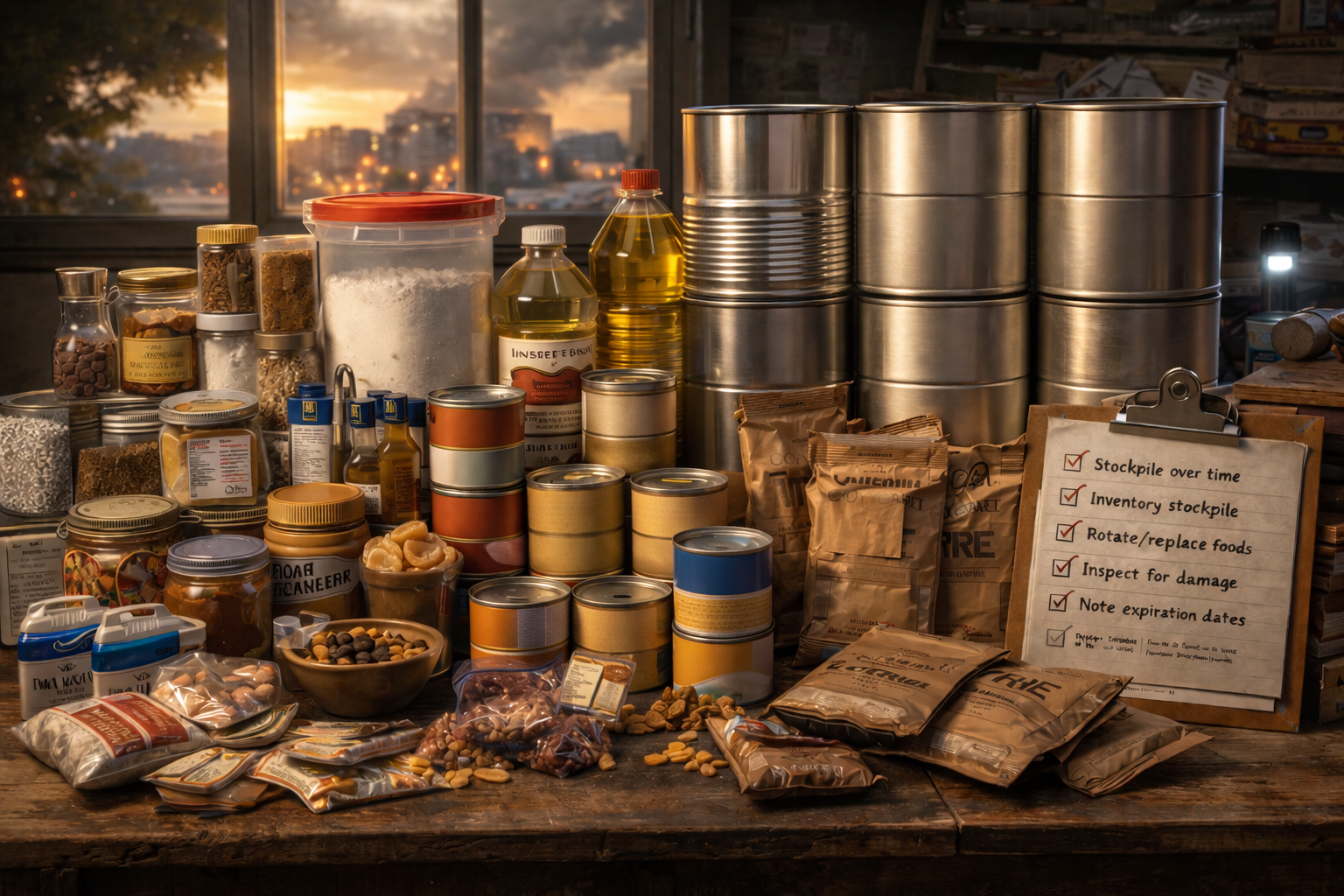
1. Stockpile over time to lessen the economic burden
2. Inventory your stockpile once completed and note amounts and expiration dates
3. Rotate foods into your daily diet that are close to expiration and replace
4. Inspect all foods every 90 days for damage from insects and rodents
5. Do not become complacent because a crisis has not occurred and allow your food supply to be used for camping or other outdoor adventures

Preppers Must Have List

preparedness_list

Preppers Must Have List

preparedness_list

Before getting started, you must consider the amount of supplies needed for a specific time and then consider what happens when you run out of supplies. There are no guarantees and what you thought would only be a week may turn into several weeks or even longer and you find yourself running out of supplies. The must have list for anyone preparing for any type of situation must include the tools and materials to develop alternative sources of food and water.

Additionally, once you have calculated how much food and water you need and for how long assume your calculations are wrong. Friends, neighbors and strangers along with possible damage to your structure and supplies will have an impact on how long they last, thus your calculations are wrong. This emphasizes the fact that you need more than just food and water you must have the means to produce more.

1. You must have the ability to grow your own food for a prolonged crisis. This means you should be gathering seeds and materials needed to raise food in any environment to include one where the soil is contaminated. Foods can be raised without soil by using hydroponic methods.

2. You will need to the materials, tools and skill to preserve any foods you can acquire, by either canning, pickling, smoking, salt curing or drying.

3. Have the tools to take care of a garden

4. Materials to construct a greenhouse such as plastic or Plexiglas, and the frame work either PVC or wood.

5. You will need the tools for hunting such as long bows, firearms and cross bows along with trapping supplies.

6. You will need an energy source such as wood, coal or wood/vegetation pellets.

7. You need personal protection along with an evacuation plan if your area turns hostile and the most reliable protection is a firearm but do not limit yourself to just one type. You will have to consider the area you will be protecting when choosing a weapon. People in urban areas will have to choose differently than someone in a rural environment.

The list could be endless, but keep in mind you cannot possibly stockpile enough food and water to last you essentially your entire lifetime, so you will need a reliable and renewable food source you control. You will need the knowledge, skills, tools and materials to construct and repair your shelter, make tools, and essentialy start over if there is a total collapse of the financial and manufacturing sectors.

In addition to what you need to survive, you will need items for barter. Even if you do not drink alcohol or use tobacco products, you should have an adequate supply to trade for items you may need such as specific medical supplies. It is not recommended you trade ammunition or weapons, and only trade medical supplies if you have more than enough for you and your family’s use. You must always consider your family’s welfare first when it comes to bartering.

Recommended Items

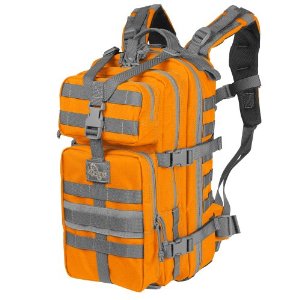
Maxpedition Falcon-II Backpack

Maxpedition Falcon-II Backpack

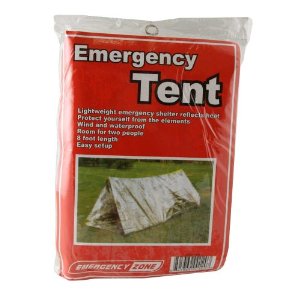
Emergency Shelter Tent

Emergency Tent
Emergency Tent

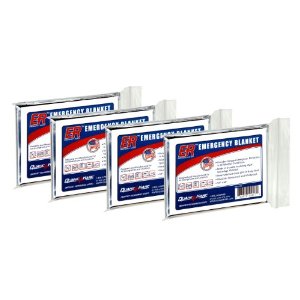
Emergency Blankets

Emergency Blankets
Emergency Blankets

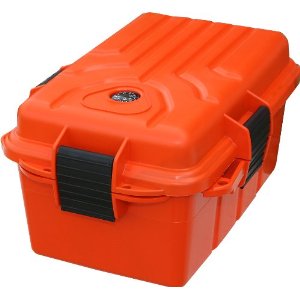
MTM Survivor Dry Box

MTM Survivor Dry Box

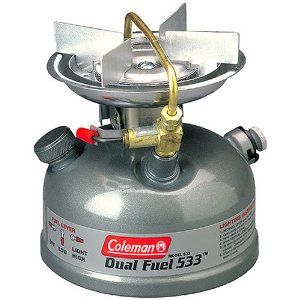
Coleman Stove

Coleman Stove
Coleman Stove

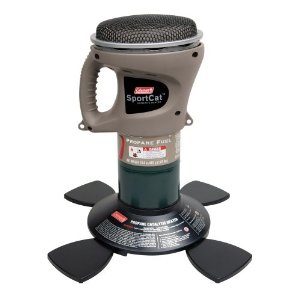
Coleman Heater

Coleman Heater
Coleman Heater

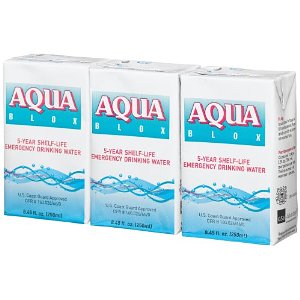
Emergency Drinking Water

Emergency Drinking Water

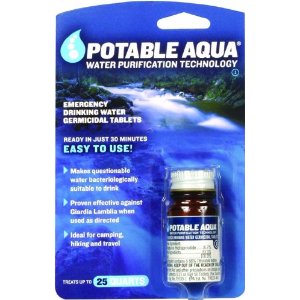
Water Purification Tablets

Water Purification Tablets

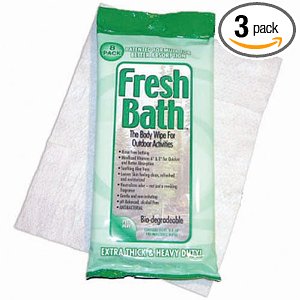
Fresh Bath Body Wipes

Fresh Bath Body Wipes

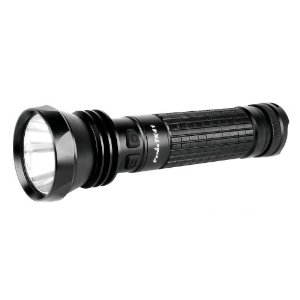
Fenix Flashlight

Fenix Flashlight
Fenix Flashlight

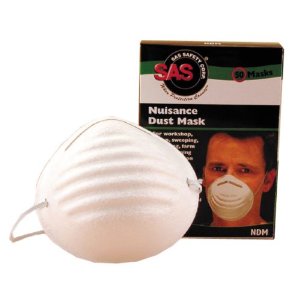
Dust Masks

Dust Masks
Dust Masks

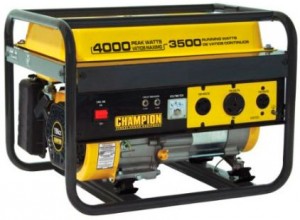
Champion Power Generator

Champion Power Generator